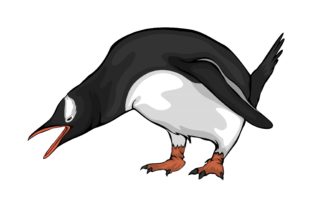
Penguin Illustrations: A Creative Asset for Modern Branding
Finding the right visual anchor for a project can often feel like a search for a missing puzzle piece. You have the strategy, the copy, and the layout, but you need that one element that ties it all together with personality and charm. This is where a resource like Penguin Illustrations steps in, offering a versatile solution for designers and creators who need more than just a generic image. It’s a curated collection designed to inject life and narrative into digital and print media alike.
At its core, Penguin Illustrations is a collection of vector artwork featuring the beloved Antarctic bird. But the appeal goes far beyond the subject matter. The visual style typically balances between whimsical and sophisticated, making it adaptable to various aesthetics. You won’t find stiff, lifeless outlines here. Instead, the illustrations often capture distinct personalities—playful, stoic, curious, or elegant. This character-driven approach is crucial because it allows the artwork to communicate a specific tone without needing a single word of text. Whether the style is flat and geometric or rich with texture, the overall aesthetic feels contemporary and polished, suitable for high-end applications as well as casual projects.
Where These Illustrations Fit Into Your Workflow
The true value of a design asset lies in its utility. Penguin Illustrations are not limited to children’s books or pet store logos. In the realm of editorial design, these images can serve as spot illustrations in magazines or blogs to break up text-heavy sections, adding a visual pause that keeps readers engaged. For packaging design, a stylized penguin can act as a mascot that embodies qualities like purity, resilience, or coolness—traits often associated with the animal.
Digital creators will find these assets particularly useful for social media graphics. In a crowded feed, a unique illustration stands out far better than a stock photograph. It adds a layer of originality that audiences appreciate. Furthermore, for web design, custom illustrations help in building a cohesive brand identity. Instead of relying on generic icon sets, using a consistent illustration style across a website, app interface, or newsletter creates a seamless user experience that feels intentional and professional.
Influencing Perception and Engagement
Visuals dictate how an audience perceives a brand before they even read the headline. By incorporating bespoke artwork like Penguin Illustrations, you move away from the "off-the-shelf" look that plagues many startups and small businesses. High-quality illustrations suggest that a brand cares about details. This perception of quality translates into trust. When a user sees a well-crafted illustration on a landing page or a product label, they subconsciously associate that craftsmanship with the product or service being offered.
Moreover, illustrations are powerful tools for storytelling. A penguin character can be used to guide a user through a tutorial, highlight a feature in an infographic, or simply add a touch of humor to an error 404 page. This humanizes the digital experience, making the brand more approachable and memorable.
Practical Guidance for Implementation
When you download a package like this, you are usually getting multiple file formats to ensure compatibility. The EPS file is the workhorse for professionals. As a vector format, it can be scaled to the size of a billboard or a pen without losing quality. This is essential for logo design or large-format printing. The JPG file, on the other hand, is ready for immediate use in web uploads, presentations, or mockups where quick placement is needed.
However, simply having the files isn't enough. To get the most out of them, consider the following:
- Contextual Fit: Does the illustration style match your existing typography? If you are using a serious, traditional serif font, a cartoonish, bubbly penguin might create a visual clash. Conversely, a sleek, minimal penguin illustration pairs well with a clean sans serif font.
- Color Palette: If the illustrations come in a specific color scheme, ensure it aligns with your brand guidelines. With vector files (EPS), you can usually adjust the colors to match your brand's hex codes, ensuring perfect harmony.
- Commercial Licensing: Before using these in a product for sale, always verify the license. Most premium font and asset marketplaces offer licenses that cover both personal and commercial use, but it is the designer's responsibility to ensure compliance, especially for mass-produced goods.
Testing and Pairing
Treat illustrations much like you would treat a display font or a script font. They have a strong voice, so they need to be balanced. If your penguin illustration is detailed and busy, keep the background simple. If the illustration is minimalist, you can afford to have a more complex layout or a textured background.
Test the artwork in black and white as well. This helps you understand the contrast and silhouette, which are critical for readability and recognition in smaller sizes, such as favicons or mobile app icons. A strong silhouette ensures the penguin is recognizable even when reduced to a thumbnail size.
Beyond the Obvious Uses
While branding and web are the primary use cases, think outside the box. Crafters and hobbyists can use these files for custom merchandise like t-shirts, mugs, or greeting cards using cutting machines. Entrepreneurs can use them to create unique stickers or packaging tape that delights customers during the unboxing experience. In the educational sector, these illustrations can liven up worksheets or e-learning modules, making the content more digestible for students.
Ultimately, Penguin Illustrations serve as a bridge between a concept and a visual reality. They provide a shortcut to high-quality aesthetics without the cost of a custom commission. By integrating these assets thoughtfully, respecting the file formats, and aligning them with your broader modern typography and color strategy, you elevate your project from standard to standout. It’s about using the right tools to tell a better story, and sometimes, that story is best told by a penguin.