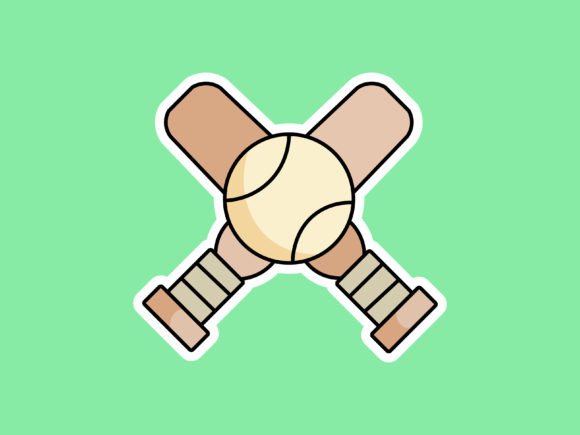
Swing for the Fences: Creative Uses for Baseball Icon Illustrations
When you are building a brand or designing a product, the details matter. You might have the perfect color palette and a strong layout, but sometimes you need that specific visual element that ties the whole theme together. If you are working on a project related to athletics, American pastimes, or a retro aesthetic, you will likely find that generic clipart falls flat. This is where high-quality Baseball Icon Illustrations come into play. These aren't just simple sketches; they are professional-grade design assets that can elevate everything from a child's birthday invitation to a sophisticated marketing campaign.
The appeal of a dedicated set of baseball illustrations lies in its versatility and cohesion. A well-designed pack offers a consistent visual language—whether you are using a stylized batter, a vintage glove, or a classic stitching pattern. For graphic designers and entrepreneurs, having access to vectors like these means you aren't wasting time trying to draw a baseball from scratch or hunting for low-resolution images that will pixelate when printed. Instead, you have a toolbox ready to create professional brand identity materials that resonate with fans and casual observers alike.
From Diamond to Desktop: Real-World Applications
The true strength of these illustrations is how seamlessly they adapt to different mediums. If you are a small business owner running a local sports shop or a content creator managing a little league team's social media, these icons become the backbone of your visual strategy.
Consider the world of packaging design and merchandise. A set of Baseball Icon Illustrations is perfect for creating custom merchandise like T-shirts, totebags, and phone cases. Because the download includes high-resolution formats like 300dpi PNG and JPG, you don't have to worry about quality loss when sending files to a print-on-demand service. The transparency of the PNG files is particularly useful here, allowing you to overlay the icons onto different background colors without awkward white boxes surrounding the image.
For those in the publishing industry, specifically those working on Book / Notebook / Children Book Design, the utility is just as high. Imagine designing a cover for a sports memoir or a title page for a scrapbook. The vector files (Ai and EPS formats) allow you to scale the images infinitely. You can make a baseball icon massive for a cover spread or tiny for a page number ornament without losing an ounce of sharpness. This scalability is essential for editorial design, ensuring that your print materials look crisp and professional whether they are viewed on a high-definition screen or in physical print.
Seasonal Marketing and Digital Presence
It is also worth noting the seasonal flexibility of this theme. While baseball is a summer sport, the aesthetic works surprisingly well for spring campaigns, particularly around Easter. The round shape of the baseball, combined with stitching that mimics decorative patterns, can be adapted into a "sporty spring" theme. This is a clever way for marketers and bloggers to stand out during holidays where pastel colors and soft themes usually dominate. By introducing a sporty element, you can target a specific niche of families looking for active, outdoor-themed Easter content or gifts.
In the digital space, consistency is king. Using these illustrations for social media graphics helps build recognition. When your followers see a specific style of icon—perhaps a hand-drawn vintage bat or a modern, flat-design helmet—they begin to associate that visual language with your content. This is a fundamental aspect of modern typography and design: creating a system that is recognizable at a glance. You can use them as profile picture borders, story highlight covers, or as visual breaks in long-form blog posts.
Technical Specs and Design Flexibility
For the technically minded creative professional, the included file formats offer a complete workflow solution. The 1 File Ai format and 1 File EPS format are the workhorses here. These vector formats are fully editable. If you are proficient in Adobe Illustrator or similar software, you can change the stroke weight, alter the color palette to match a client's specific hex codes, or combine elements to create entirely new compositions. This level of customization is what separates a generic design from a tailored logo design or unique piece of art.
The 300dpi raster files (JPG and PNG) serve as the quick-access option. Sometimes, you don't need to edit the vector paths; you just need to drop an image into a layout quickly. High dots-per-inch (DPI) resolution ensures that these files are print-ready. Whether you are printing on pillows, heavy cardstock for printed paper, or standard flyers, the image quality will remain professional.
Integrating Illustrations with Typography
One of the most common challenges in design is balancing imagery with text. Baseball Icon Illustrations tend to have a bold, graphic quality that pairs well with strong typefaces. However, the pairing depends on the mood you want to set.
If you are going for a vintage, nostalgic feel—perhaps for a retro-themed event or a heritage brand—pair these icons with a serif font or a script font. The organic curves of a script typeface can complement the roundness of a baseball, while the structure of a serif font grounds the design in tradition.
Conversely, if your project is more modern, energetic, and youth-focused, combine the illustrations with a bold sans serif font. This creates a clean, high-contrast look that works exceptionally well for web design and digital ads. The key is to let the icons act as visual anchors. They should support the text, not compete with it. When done right, the illustrations enhance the visual hierarchy, guiding the reader's eye from the headline to the body copy and finally to the call-to-action.
Practical Tips for Implementation
Before you dive into your next project, here are a few practical recommendations for getting the most out of your assets:
- Check the Licensing: Always verify the commercial font and asset licensing. If you are creating products for sale, such as T-shirts or phone cases, ensure the license permits commercial use. Most premium asset packs do, but it is a critical step for entrepreneurs.
- Test Scalability: Before finalizing a design, test how the icon looks at both very small and very large sizes. A detailed illustration might lose clarity when reduced to the size of a favicon, so choose a bolder icon for small digital uses.
- Color Harmony: While baseball is traditionally associated with white, red, and blue, don't be afraid to experiment. These icons can look striking in monochrome (black and white) for a sophisticated editorial look, or in neon colors for a modern streetwear vibe.
- Layering Techniques: In editorial design, try placing text on top of a faded, large-scale version of a baseball icon. This creates depth and texture without cluttering the page.
Ultimately, Baseball Icon Illustrations are more than just pictures of sports equipment. They are versatile design assets that can be repurposed for holidays, branded merchandise, educational materials, and digital marketing. By leveraging the included vector and high-resolution files, you can ensure your projects look polished, professional, and ready for any platform, from a child's storybook to a corporate social media feed.