Unlocking Nature's Charm: The Art of Insect Illustrations
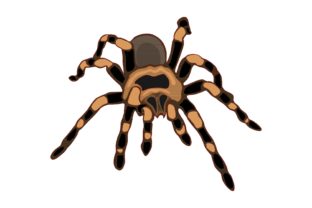
There's a particular kind of visual magic in a well-crafted Insect Illustration. It’s more than just a picture of a bug; it’s a story, a texture, a moment of wonder captured in vector lines and shapes. When you encounter a collection like this, you’re not just looking at design assets—you’re holding a key to a world of intricate detail and organic beauty. The illustration of a fish spider included here is a perfect case in point. It’s not a photo. It’s a piece of art that balances scientific curiosity with a stylized, almost whimsical personality. The legs are gracefully curved, the body has a subtle texture, and the overall composition feels both accurate and approachable. This isn’t the kind of image that makes you jump; it’s the kind that makes you lean in and appreciate the form.
This collection of Insect Illustrations operates in a sweet spot between realism and artistic interpretation. The style is clean and modern, with a focus on bold outlines and thoughtful use of color or monochrome. It avoids the hyper-realistic, sometimes clinical look of pure scientific diagrams, instead opting for a more engaging, graphic quality. The personality here is one of curiosity, elegance, and a touch of the exotic. It’s perfect for projects that need to convey sophistication, creativity, or a connection to the natural world without feeling stuffy or overly academic. Think of it as a premium font for imagery—it has a distinct voice, a consistent quality, and the versatility to elevate a wide range of creative work.
Where This Style Truly Shines
Understanding where an insect illustration works best is about matching its inherent character to your project's needs. This style is a powerhouse for brand identity, especially for companies in the wellness, eco-friendly, outdoor, or artisanal spaces. Imagine a boutique skincare brand using a delicate butterfly or beetle as its central motif—it immediately communicates natural ingredients and careful craftsmanship. For logo design, a single, well-chosen insect mark can become a highly memorable and recognizable symbol.
In editorial design and publishing, these illustrations add instant visual interest and depth. They can be used as spot illustrations in magazines, chapter headers in books, or decorative elements in a travel journal layout. The fish spider illustration, for instance, could be a fantastic opener for an article on unique arachnids or a chapter on jungle ecosystems. For packaging design, particularly for products like honey, tea, botanicals, or craft goods, insect art adds a layer of authenticity and charm that stock photography simply can’t match.
The digital space is equally fertile ground. Social media graphics and web design benefit hugely from unique, ownable imagery. A series of posts featuring different insects from this set can create a strong, cohesive visual feed. As design assets, these EPS and JPG files are incredibly versatile. The vector EPS is perfect for scaling to any size—from a tiny favicon to a massive banner—without losing quality. The JPG is ready for quick use in presentations, mood boards, or digital mockups.
Making It Work for Your Brand and Audience
Choosing to use a stylistic element like Insect Illustrations is a strategic decision. It directly influences how your audience perceives your brand. It can signal that you value detail, appreciate the natural world, and aren’t afraid of a little personality. This builds brand recognition and consistency. When used thoughtfully across your touchpoints—website, social media, print materials—it creates a unified brand identity that feels intentional and professional.
The key is to ensure the illustration's style aligns with your brand's voice. A playful, cartoonish insect would suit a children's brand, but might clash with a luxury jewelry line. The style in this collection, with its balanced detail and artistic flair, leans toward the sophisticated and versatile end of the spectrum. It can feel modern or classic depending on the context and color palette you apply.
Practically speaking, when integrating these assets, consider the principles of visual hierarchy. A large, detailed insect can serve as a stunning hero image. Smaller, simplified versions can be used as repeating patterns or subtle accents. Always test for readability—ensure that when an illustration is placed near text, it complements rather than competes. A busy background behind a detailed spider might make body copy hard to read, but using it as a standalone element with ample white space can make it a focal point.
Finally, always review the licensing for any commercial font or asset you download. The provided EPS and JPG files come with a license that typically allows for use in personal and commercial projects, but it's your responsibility to read the specifics. Know what you can and cannot do with the files—this is non-negotiable for any professional work. By treating these Insect Illustrations not just as pretty pictures but as core components of your visual strategy, you can craft a narrative that is uniquely yours, engaging your audience on a deeper, more aesthetic level.